

Gameplay Mechanics
What your child actually does minute to minute, how long a typical session runs, and how hard the game makes it to stop and come to dinner.
Explore category


A minimap doesn't just tell you where you are; it reveals key points of interest so you can confidently chart the best course forward. We're equipping you to understand the mechanics, share in the fun, and safely navigate video games together.
The Video Game Minimap™'s four-part framework goes beyond basic age ratings to decode exactly how a video game operates under the hood, equipping parents with a 360-degree navigation tool to guide intentional play.
What your child actually does minute to minute, how long a typical session runs, and how hard the game makes it to stop and come to dinner.
Explore category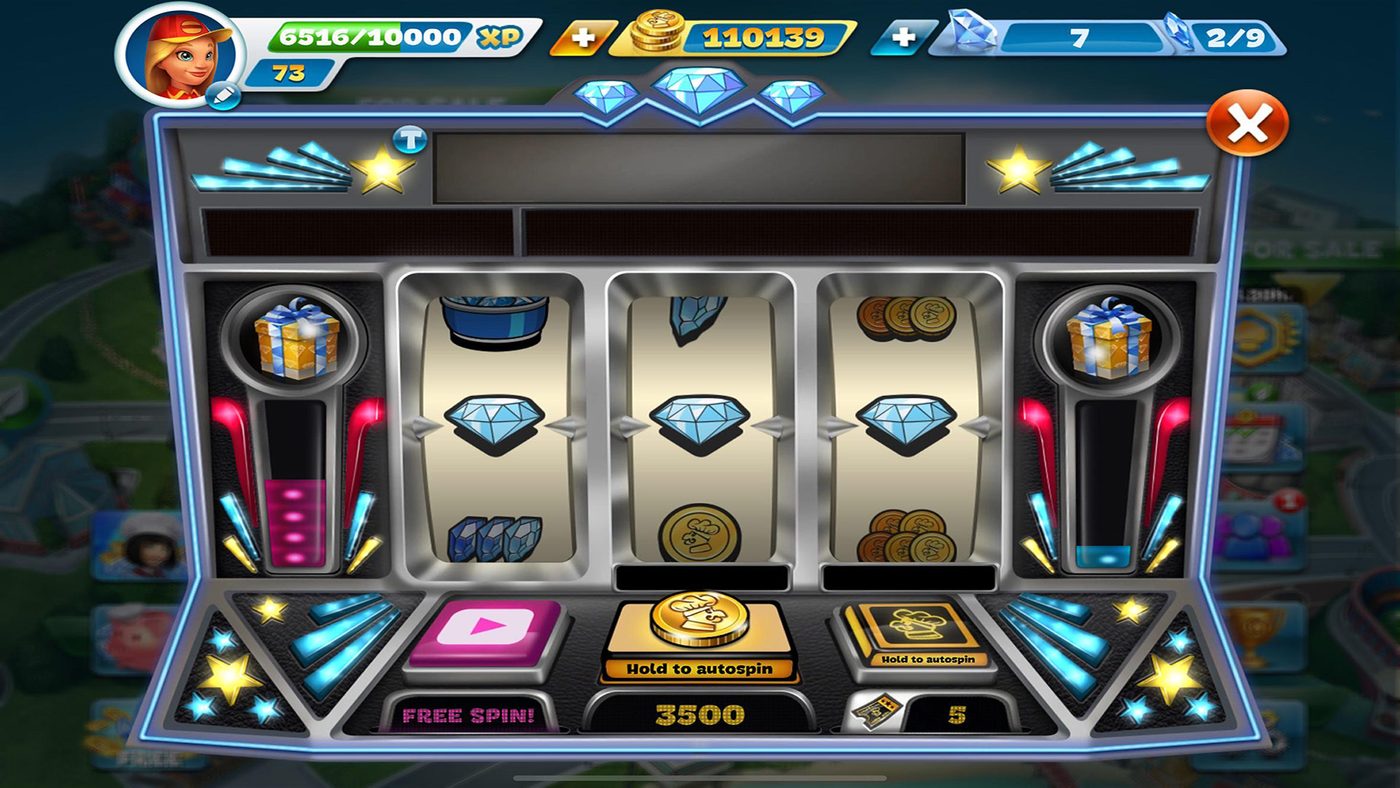
What it costs after the purchase price: in-game money, paid season passes, randomised reward crates, and the pressure to log back in.
Explore category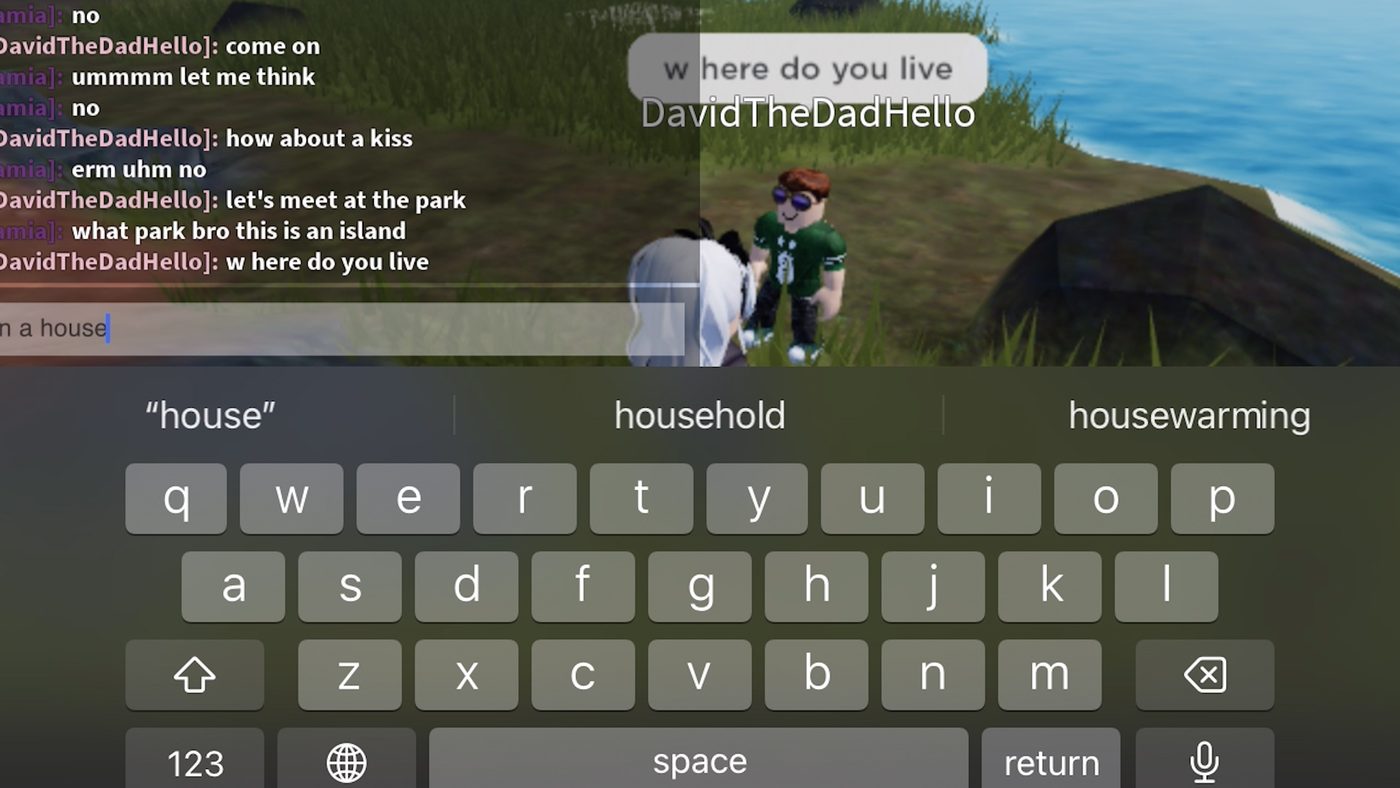
Who your child can talk to, what the controls actually block, whether other players can build the content they see, and what data is collected.
Explore category
What the game is genuinely good for, questions worth asking about it, whether you can play together, and things to do away from the screen.
Explore categoryHow long a session really runs, what stopping mid-game costs, what it sells and when, and who your child can talk to.
This is a real report, researched and generated on September 11, 2026, not a mock‑up or a template.
Games change, so a report you run today may find different details.

No guesswork, no assumptions, just documented sources and an honest account of what's still unknown.
The official age rating, the publisher's own pages, the parental controls built into your console or phone, and how you can realistically play along.
It doesn't diagnose your child, measure their behavior, or decide whether a game suits your family. That judgement stays where it belongs: with you.
Every claim comes from the rating board, the publisher's pages, or official platform documentation. Forums, fan wikis and user reviews are never cited.
Where two sources disagree, we show you both, dated and side by side. We don't quietly pick the one we prefer and hand it over as settled fact.
Anything we can't confirm on an official source is labeled unconfirmed and listed at the end of its section. We never fill a gap with a likely guess.
The approved-source list isn't a guideline. Every citation is checked against it after the research runs, and anything outside the list is discarded.
Everything you might be wondering about before you run your first report.
$1.99 covers the cost of running real research on your game – pulling from official rating boards, publisher documentation, and platform safety pages – without turning this into a subscription you have to remember to cancel. It also covers the card processing fees charged on every transaction, which take a surprisingly large bite out of a payment this small. And once in a while a report doesn't finish – you're refunded automatically when that happens, but the research it had already done still costs us, so the price carries a little room for that too. You pay once, you get a full report, that's it.
You don't have to take our word for what you get. Download a complete sample report for Minecraft (all ten pages, free, no signup) and decide for yourself before spending anything.
You keep the link, and the link keeps up! But not on its own, so it's worth knowing exactly what it does. Your emailed receipt carries a permanent link to your report, with no account to create and no password to forget. What it opens is the most recent research anyone has run for that video game, rather than a frozen copy of your own.
A report only refreshes when somebody actually requests a new one. For a game lots of parents are searching, that happens regularly and someone else's request quietly brings your link up to date at no cost to you. For a game few people ask about, your link may show the same research for a long time. That's why every report is stamped with the date it was researched, at the top under the title. Check that date against how long your child has been playing: if a game has had a big update since, running a fresh report is another $1.99, and it updates the link for everyone. And if you'd rather keep one particular version exactly as it was on the day you read it, every report has a Print or Save PDF button.
Parents, guardians, and anyone helping a kid navigate a game they don't know much about yet. You don't need to be a gamer yourself, every report is written in plain language on purpose.
We love video games and are advocates for play, but we're also realists about the modern tech industry. We want to move the household conversation beyond "Ban them all" or "It's just a game."
Modern parents need to know the difference between a game that respects their child's time and a predatory game built on dark patterns and psychological hooks. Because most online info is either PR marketing or angry forum arguments, we provide sourced, specific data to help parents make real decisions about screen time, empowering kids to play the game, instead of letting the game play them.
The Methodology section above is the full answer: which sources count, what happens when they disagree, and what we do when something can't be confirmed.
There's no library to be missing from. We don't keep a shelf of pre-written reports, so there's nothing for your child's game to be absent from. Every search runs the research fresh, on the spot, for whatever you typed.
What we do rely on is a game database to identify the title first, so we're certain we're researching the right thing. It covers essentially every game sold on Steam, PlayStation, Xbox, Nintendo, and mobile stores, including titles released within the last few days. If a search comes back empty it's almost always a spelling difference, so try the full name as it appears on the box or the store page.
Either way, a search that finds nothing is logged. We read that list, and it's how we decide what to support next, so searching for something we can't do yet is still the most useful thing you can do about it.
Roblox and Minecraft are platforms, not single games. On Roblox the individual games are called experiences, and each one is made by a different creator with its own chat, its own spending and its own rules. Fortnite Creative islands and Minecraft servers work the same way.
We can’t map an individual experience yet. A report on Roblox or Minecraft itself covers the platform, its chat and its spending, which is most of what a parent needs, but not the specific world your child is actually in. We understand how much of children’s play happens inside these platforms, and we’re building toward covering them.
Yes, up to three per day, per person. It's there to keep things fair and stop the system from being abused, not to slow you down. Need more than that in a day? Come back tomorrow.
No. We don't sell data, and we don't need much from you to begin with, just the name of the game you're asking about. See the Privacy page for the specifics.
Choose the exact title, edition, and platform so the report does not analyze the wrong game.
